

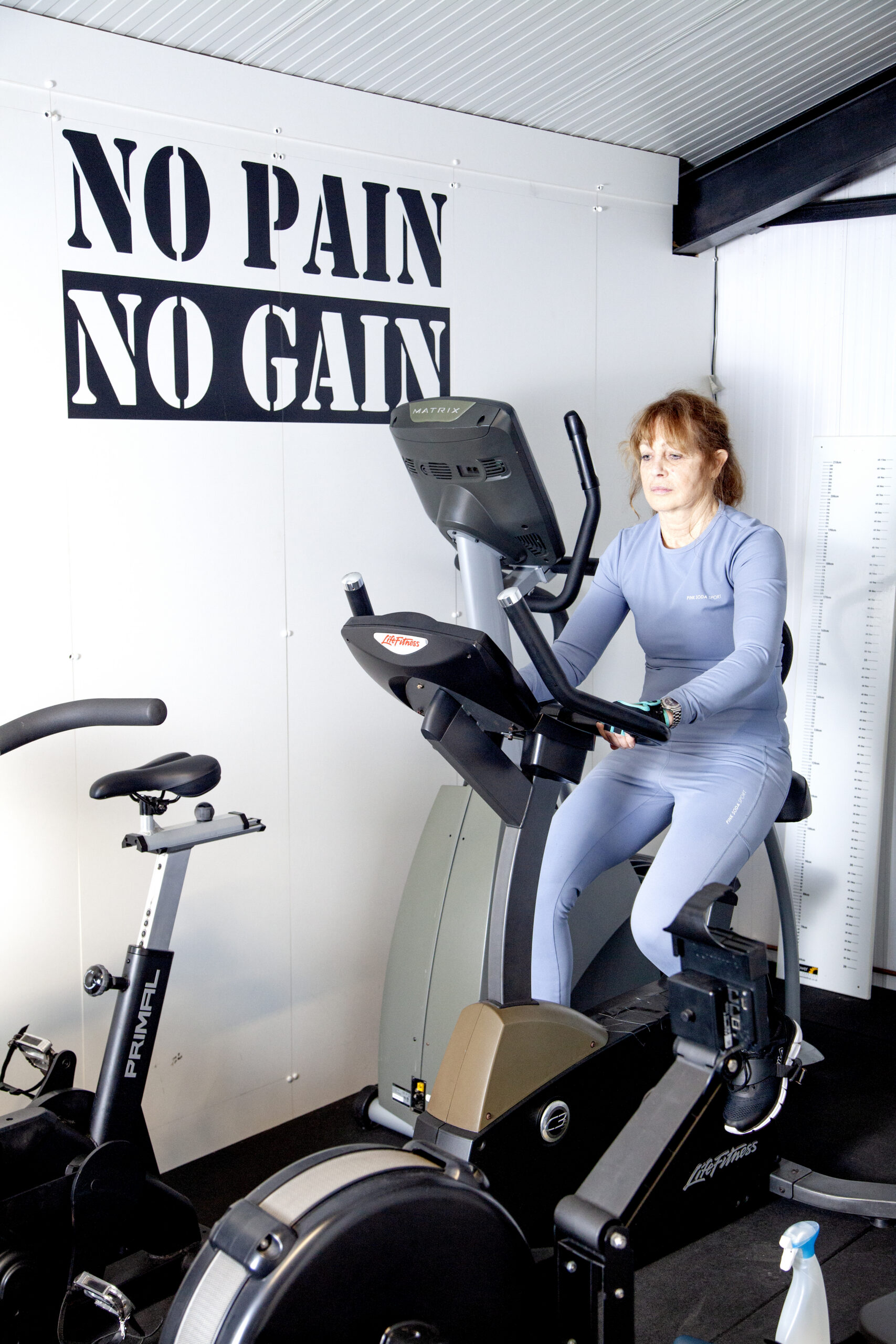
Perimenopause and menopause bring significant changes to a woman’s body. Fluctuating hormones can affect energy levels, sleep quality, mood, metabolism, and body composition. While these changes are a natural part of life, they don’t have to define how you feel. Regular exercise is one of the most effective tools for managing symptoms and maintaining long-term health.
At our gym, we understand the unique challenges women face during this stage of life and provide a supportive environment where you can build strength, confidence, and resilience.
Understanding the Changes
During perimenopause and menopause, declining estrogen levels can contribute to:
- Increased abdominal weight gain
- Loss of muscle mass and strength
- Reduced bone density
- Joint stiffness and aches
- Hot flushes and night sweats
- Fatigue and low energy
- Mood changes and increased stress
- Sleep disturbances
These changes can feel frustrating, but the right exercise program can help you regain control and improve your overall wellbeing.
Why Strength Training Is Essential
One of the most beneficial forms of exercise during menopause is strength training. As we age, muscle mass naturally declines, and hormonal changes can accelerate this process.
Regular resistance training can help:
- Preserve and build lean muscle
- Increase metabolism
- Improve bone health
- Enhance balance and stability
- Support healthy weight management
- Reduce the risk of injury
- Improve confidence and body image
Many women are surprised by how empowering strength training can be. Building physical strength often leads to greater mental and emotional resilience as well.


